How to Wash and Maintain Anti-Static Coveralls?
Proper maintenance of anti-static coveralls is key to preserving their anti-static properties, extending their service life, and ensuring their protective effectiveness. Maintenance should take into account the fabric’s characteristics (including conductive fibers) and usage scenarios, adhering to the principles of “gentle washing, proper storage, and regular inspection.” The specific maintenance guidelines below balance practicality and feasibility to meet the needs of various industries.
I. Washing and Maintenance Guidelines (Core Focus)
Washing is the core component of maintenance; improper washing can directly cause conductive fibers to break and anti-static performance to deteriorate. The following requirements must be strictly followed:
Detergent Selection: Use only neutral detergents (such as neutral laundry liquid or specialized anti-static clothing detergents). The use of strong alkalis, strong acids, bleach, fabric softeners, and phosphate-containing detergents is strictly prohibited to prevent corrosion of the fabric, damage to conductive fibers, and the resulting loss of anti-static performance.
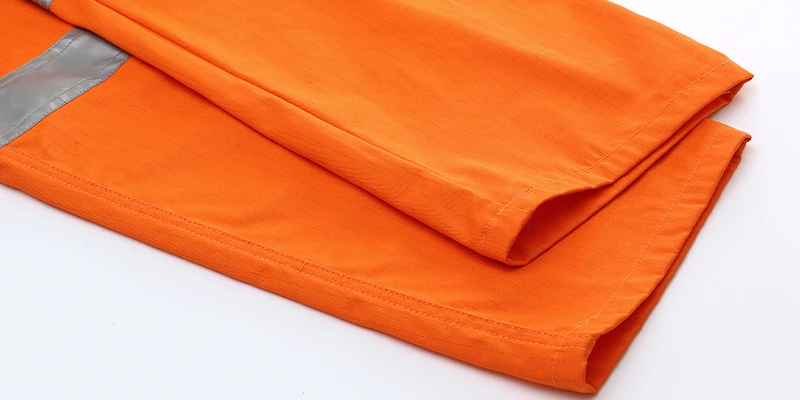
Washing Method: Hand washing is preferred; alternatively, use the “delicate cycle” on a washing machine. Vigorous scrubbing, machine spin-drying, and dry cleaning are strictly prohibited. When hand washing, use gentle motions and avoid vigorous rubbing of the fabric, especially at seams and areas where conductive fibers are concentrated. Keep the water temperature between 30–40°C (86–104°F) during washing; do not soak in hot water, and limit soaking time to no more than 15 minutes to prevent fabric deterioration and the shedding of conductive fibers.
Stain Removal: For stains such as oil or dust, apply a neutral detergent to the affected area, let it sit for 5–10 minutes, then gently rub the area. Do not use a stiff-bristled brush to scrub vigorously, as this may scratch the fabric or damage the conductive fibers. If the garment comes into contact with chemicals, remove it immediately, rinse with clean water, and then wash as usual to prevent chemical residue from corroding the fabric.
Drying Instructions: After washing, gently squeeze out excess water (do not wring). Hang in a dry, well-ventilated, shaded area to air dry naturally. Keep away from direct sunlight and high-temperature drying equipment (such as dryers or radiators) to prevent fabric aging and discoloration, and to avoid damage to the conductive fibers caused by high temperatures, which could reduce anti-static performance.
Washing Frequency: Adjust according to usage scenarios. For daily light soiling (e.g., electronics workshops), wash every 2–3 days; for heavy soiling (e.g., chemical plants, seafarer operations), wash after each use to prevent long-term stain buildup, which can impair fabric breathability and anti-static performance. It is recommended not to exceed 50 washes; after this limit, test the anti-static performance, and retire the garment promptly if it fails to meet standards.
II. Storage and Maintenance Precautions
Proper storage prevents fabric from becoming damp or moldy and protects conductive fibers from damage, thereby extending the service life of the workwear. Specific requirements are as follows:
Storage Environment: Store in a dry, well-ventilated, and cool warehouse or storage room. Maintain a temperature between 15–25°C and a relative humidity not exceeding 60%. Keep away from high temperatures, open flames, flammable or explosive materials, and strong electromagnetic fields to prevent fabric aging and degradation of conductive fiber performance.
Storage Method: Hanging is preferred (use hangers; avoid sharp hangers that may scratch the fabric). Do not fold or compress the garments to prevent breakage of conductive fibers and wrinkling of the fabric. If folding is necessary, gently smooth out the fabric to avoid long-term compression that could damage conductive fibers and impair static dissipation.
Sorting and Storage: Store clean and contaminated anti-static coveralls separately and label them clearly to prevent cross-contamination. Store coveralls with different anti-static ratings or functions (e.g., cleanroom and flame-retardant models) in separate zones. Do not mix them with ordinary clothing to prevent synthetic fibers from ordinary garments from adhering to them, which could compromise anti-static performance.
Long-Term Storage: When not in use for extended periods, ensure the garments are thoroughly cleaned and completely dried before storage. Place desiccants (such as silica gel) near the garments to prevent moisture and mold growth. Inspect storage conditions regularly and air out the garments once a month to prevent mold and insect damage.
III. Precautions for Daily Use, Inspection, and Maintenance
Attention to detail during daily use can help identify issues promptly and prevent protective failure. Specific requirements are as follows:
Wearing Instructions: Avoid pulling or scratching the fabric when putting on or taking off the garment. Do not allow contact with sharp objects (such as metal edges or tools) to prevent fabric damage or breakage of conductive fibers. Do not sew or attach foreign objects to the workwear to avoid disrupting the static electricity conduction pathways.
Daily Inspection: Before each use, inspect the workwear for tears, cracked seams, damaged zippers, or failed elastic bands. Also check for loose or broken conductive fibers. If any of these issues are found, repair or replace the garment immediately; do not continue using it.
Protective Gear Combination: When wearing the workwear, pair it with anti-static shoes and anti-static gloves to form a complete static dissipation system and prevent static buildup caused by improper combinations. Do not wear synthetic fiber clothing underneath, as friction between synthetic fibers and the workwear can generate additional static electricity, compromising protective effectiveness.
Maintenance in Special Environments: After use in humid, high-salt-fog (e.g., seafarer operations), or dusty environments, the garment must be washed and dried promptly to prevent salt fog or dust from accumulating over time.


No. 12, Liandong U-Valley, 368 Huanghe West Road, Huangdao District, Qingdao
Copyright © 2026 by Qingdao CHUANQI Escort Technology Co., Ltd. All Rights Reserved