The primary purpose of color-coding crew coveralls is to clearly distinguish job roles, facilitate operational coordination, and support safety management. In accordance with international maritime regulations and the common standards of domestic shipping companies, the three most common colors—white, orange, and blue—correspond to specific roles in a clear and standardized manner. The specific correspondences are as follows, taking into account both the protective features of the coveralls and their suitability for each role:
1. White: Senior Management and Senior Crew Positions
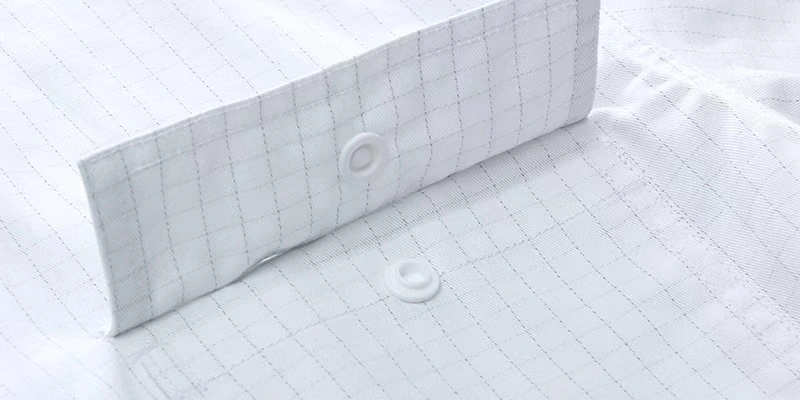
White coveralls serve as a “high-ranking identifier” among crew members, primarily corresponding to core management and senior crew positions. These roles are often responsible for core tasks such as overall command and safety supervision. White also symbolizes professionalism and authority, aligning with the nature of these positions. Specific positions include: Captain, Chief Officer, and senior deck officers (such as First, Second, and Third Officers). Some shipping companies’ shore-based safety inspectors also wear white coveralls to facilitate rapid identification during vessel operations and to conduct safety inspections. These coveralls typically feature anti-static, waterproof, and oil-resistant properties, with a design that emphasizes neatness and standardization. Some styles incorporate insignia such as epaulets to enhance identity recognition, meeting the International Maritime Organization’s regulatory requirements for senior crew uniforms.
2. Orange: General Deck Crew Positions
The key feature of orange coveralls is their high visibility and ease of identification, which meets the safety requirements of deck operations. They are primarily intended for general deck crew members, who are responsible for daily deck operations and serve as the foundational support for the ship’s navigation. Specific roles include: seamen, chief mates, etc. Their daily duties primarily involve deck inspections, cargo loading and unloading, rope handling, and deck cleaning. Since deck operations are mostly conducted outdoors, the orange color enhances crew visibility in the marine environment, reducing safety risks such as collisions and falls; some styles include reflective strips to further improve safety during nighttime operations.
3. Blue: All Engine Department Crew Positions
Blue coveralls are primarily designated for all engine department crew members. The engine department serves as the ship’s “power core,” responsible for the daily inspection, maintenance, and operation of the ship’s engines and machinery. Blue is both dirt-resistant and oil-resistant, making it perfectly suited for the engine room environment. Specific positions include: Chief Engineer, First Engineer, Second Engineer, Third Engineer, and general engine room crew (such as engine room ratings). Since engine rooms contain high levels of oil and dust, the blue color effectively conceals stains, reducing the frequency of cleaning; Additionally, these coveralls prioritize anti-static and heat-resistant properties. The fabric often incorporates conductive fibers to prevent static sparks from posing safety hazards to fuel and oil in the engine room. Reinforced seams withstand abrasion from engine room equipment, meeting the demands of the engine department’s high-intensity operations.
Additional Notes: While individual shipping companies may slightly adjust color-coding rules based on their specific needs, white (senior management/senior crew), orange (deck department crew), and blue (engine department crew) remain the most universally adopted standards in the global shipping industry. The core objective is to rapidly distinguish roles through color, thereby enhancing operational coordination and efficiency. This system also aligns protective features with specific work environments, ensuring crew safety while facilitating standardized ship management. Additionally, coveralls for certain specialized tasks (such as welding or emergency operations) may feature functional colors specific to those tasks, though this does not affect the role classifications based on the three core colors mentioned above.


No. 12, Liandong U-Valley, 368 Huanghe West Road, Huangdao District, Qingdao
Copyright © 2026 by Qingdao CHUANQI Escort Technology Co., Ltd. All Rights Reserved