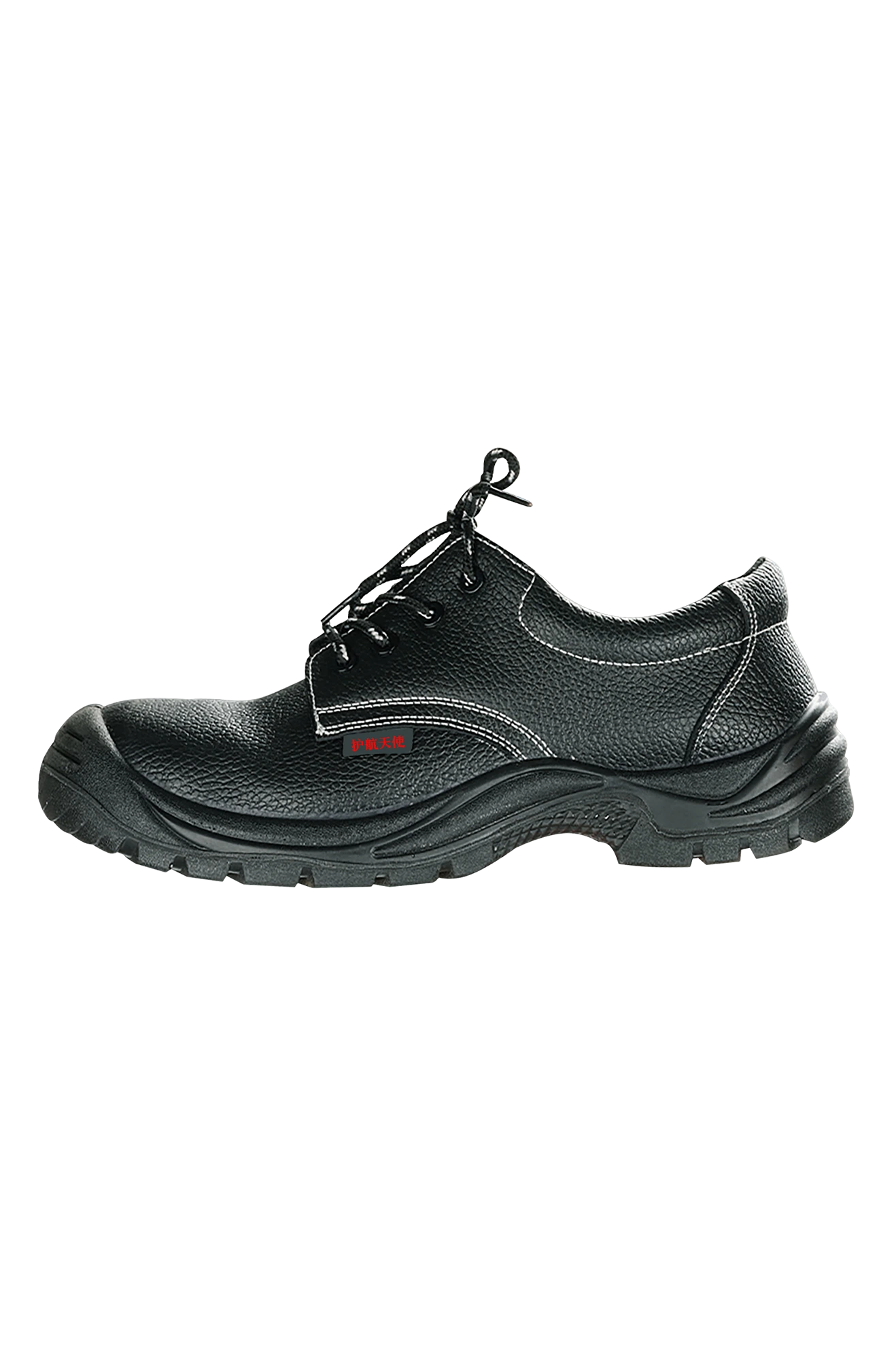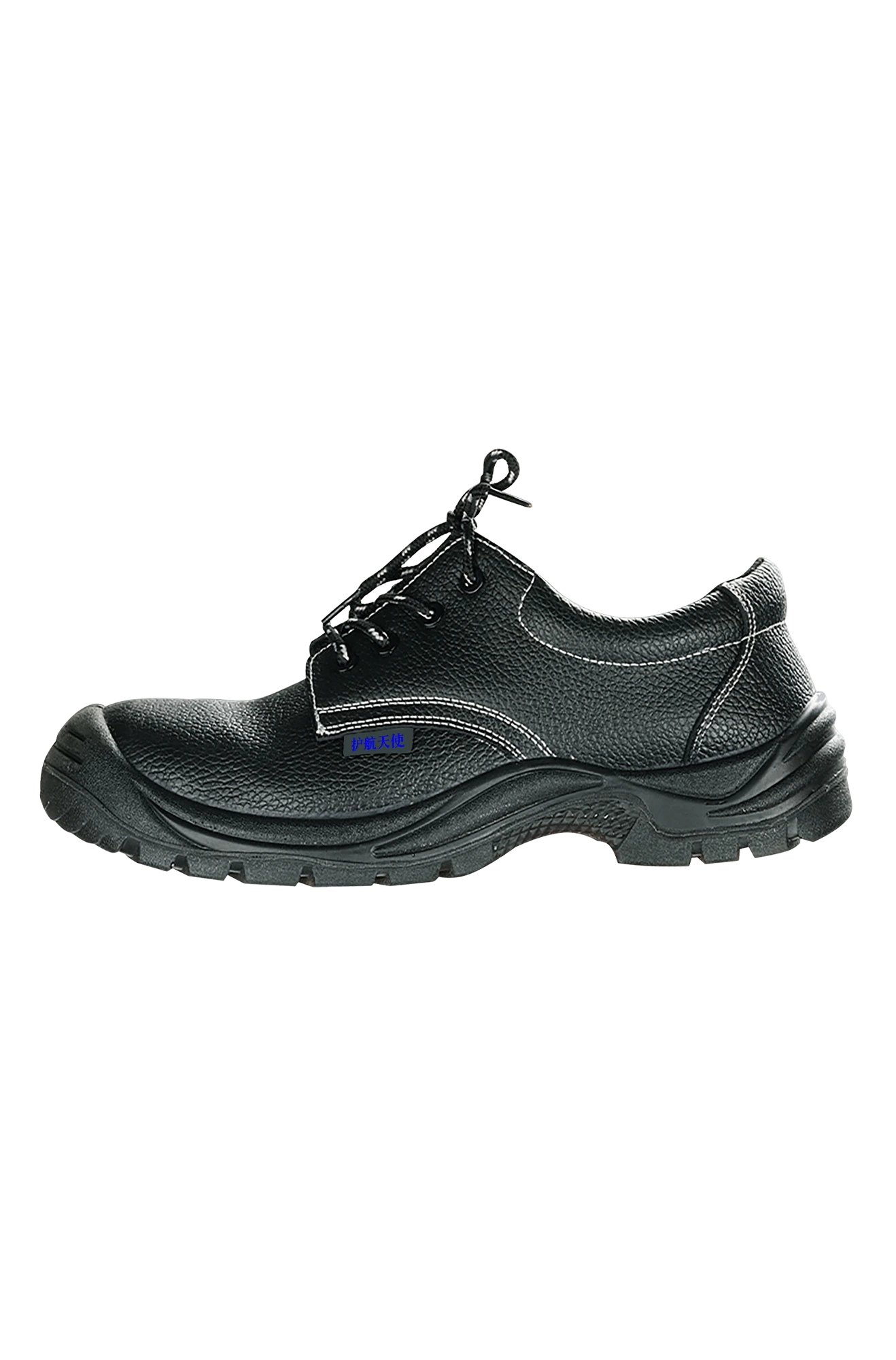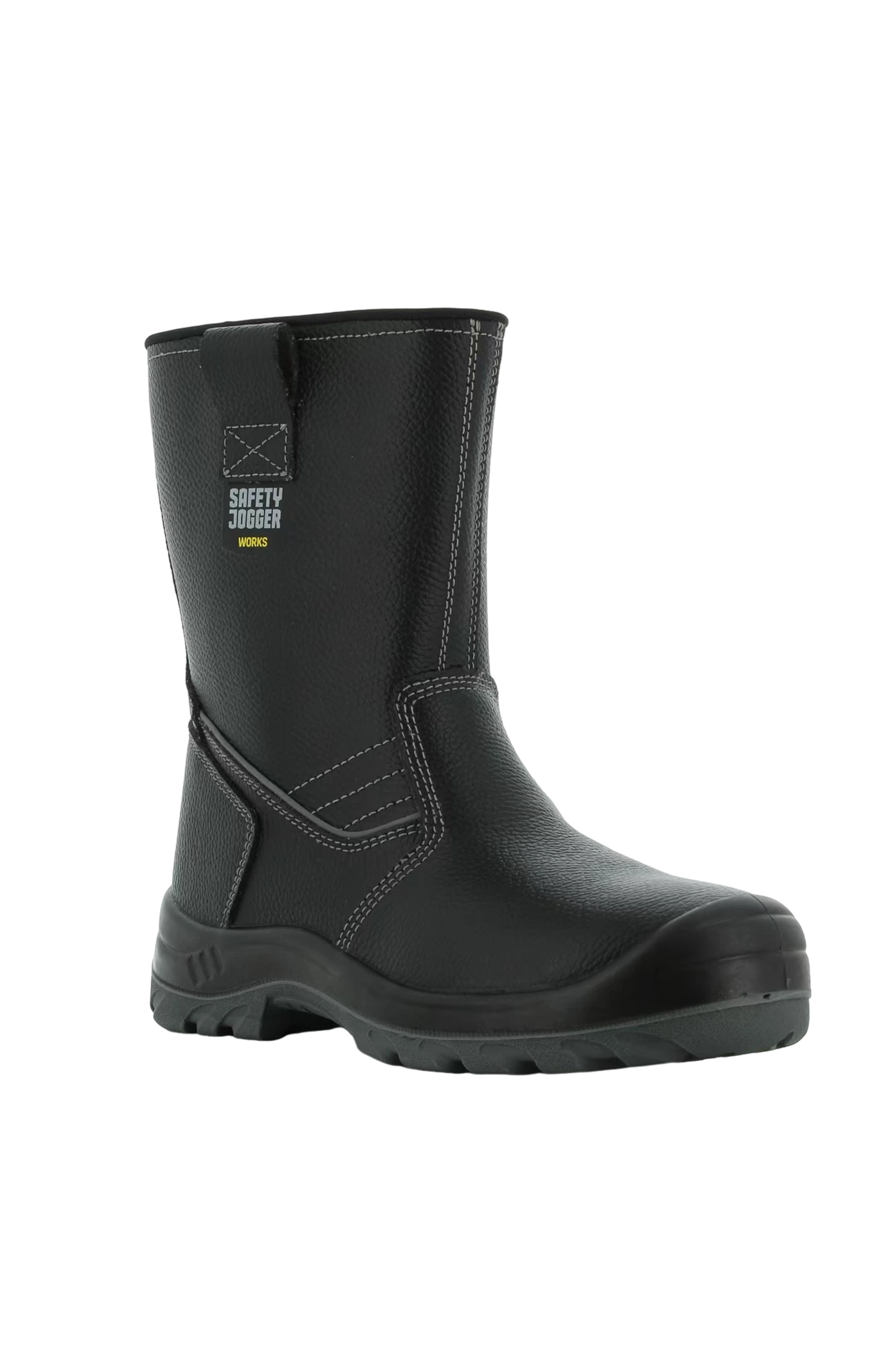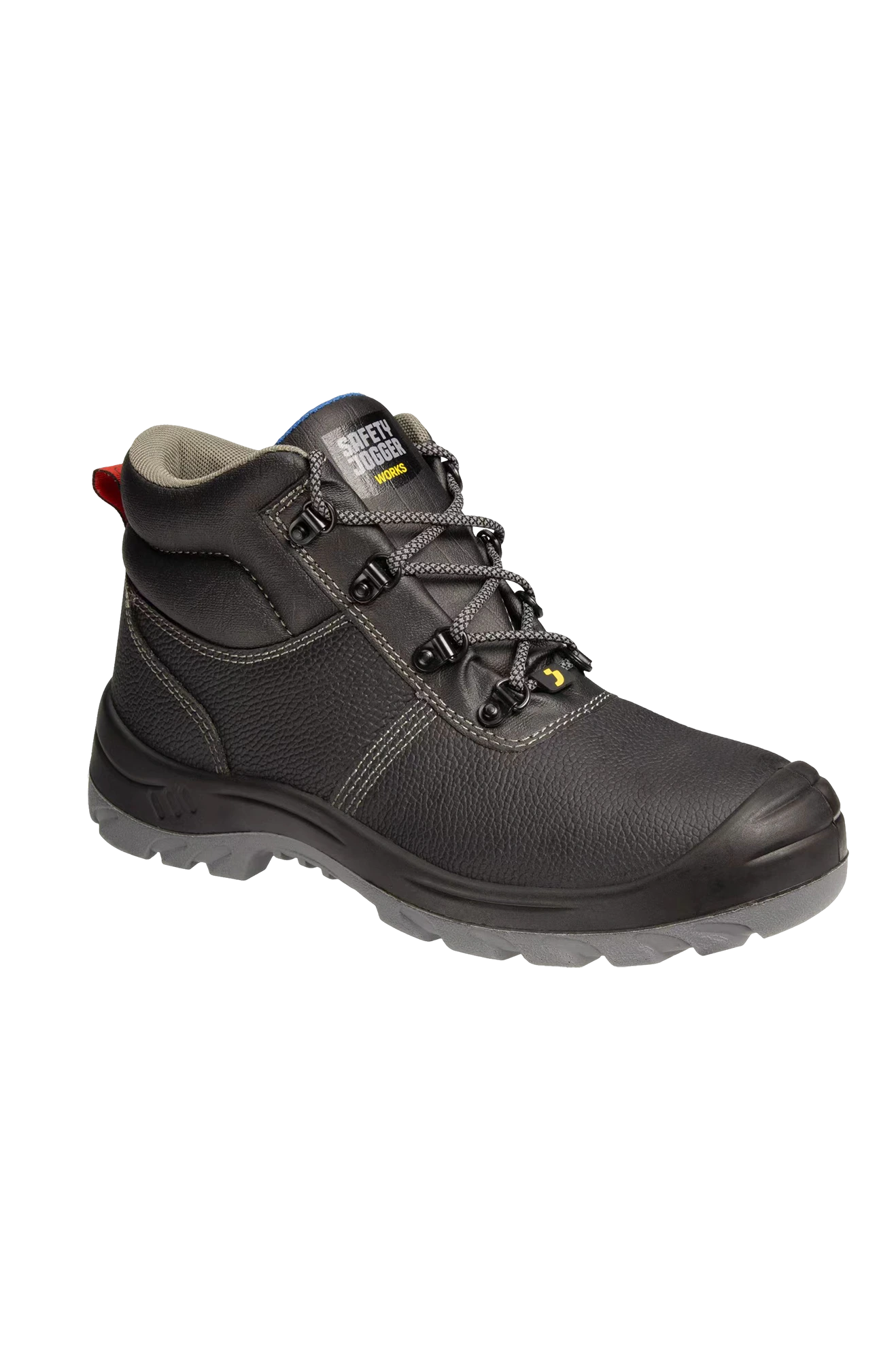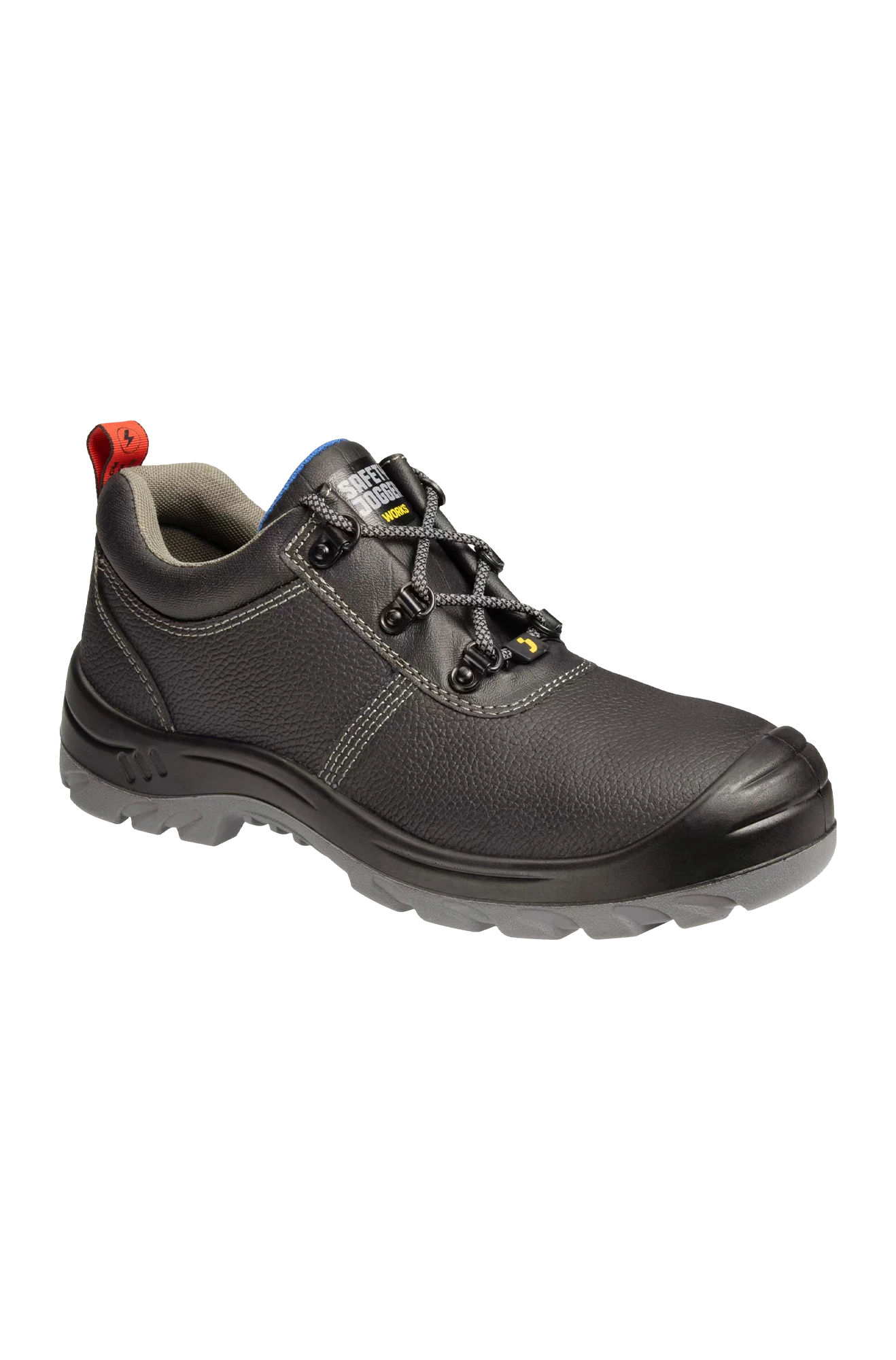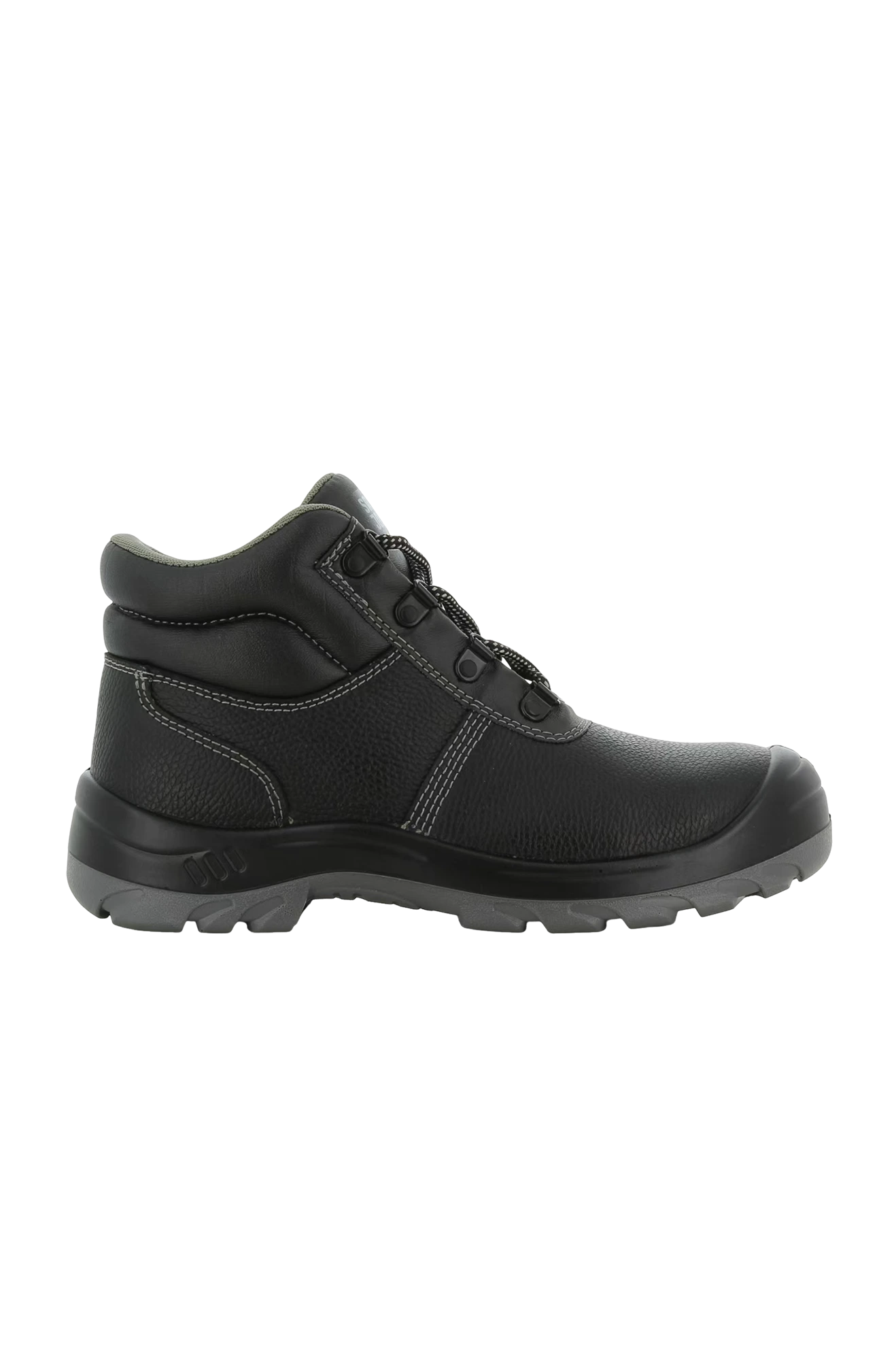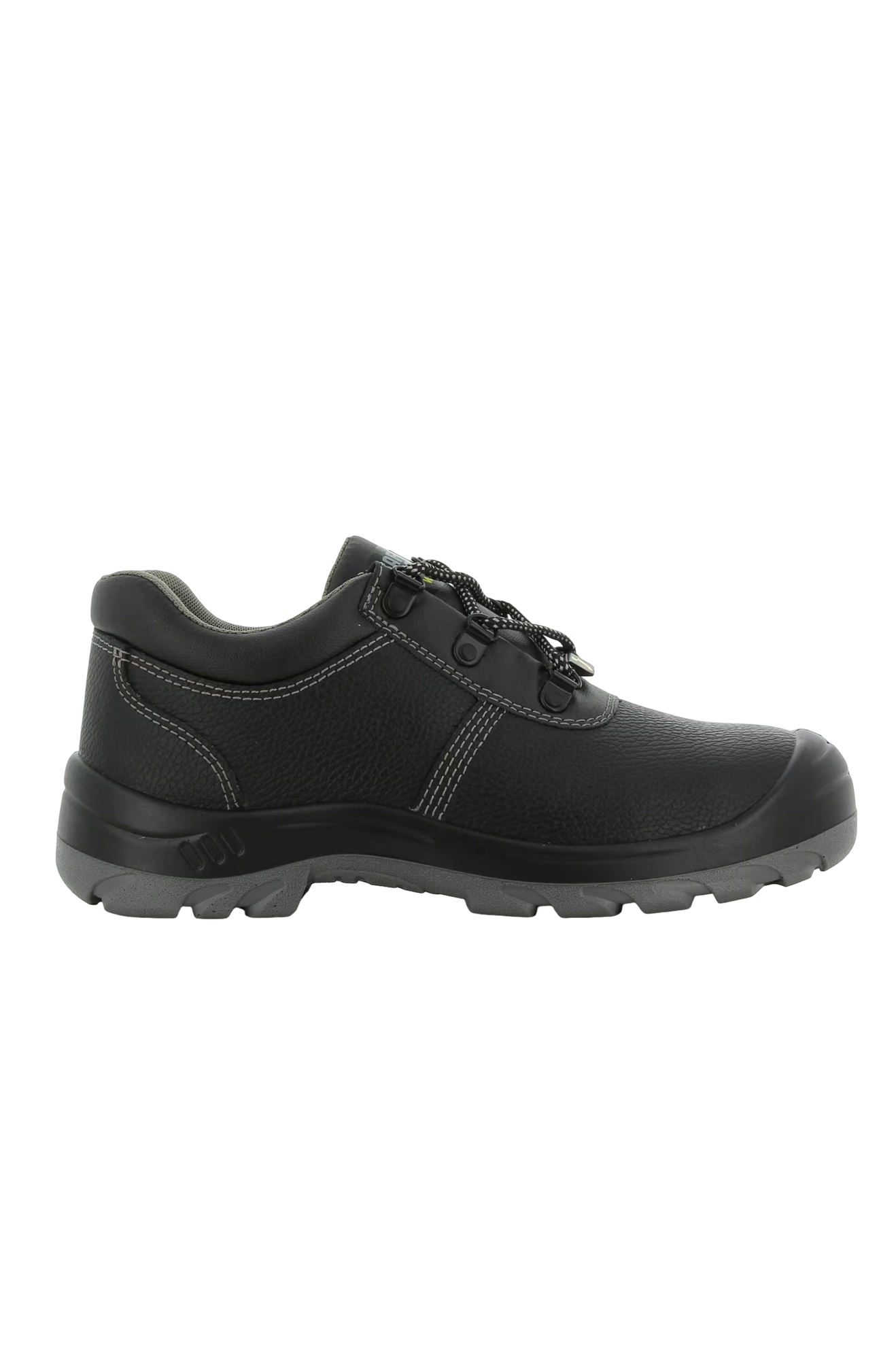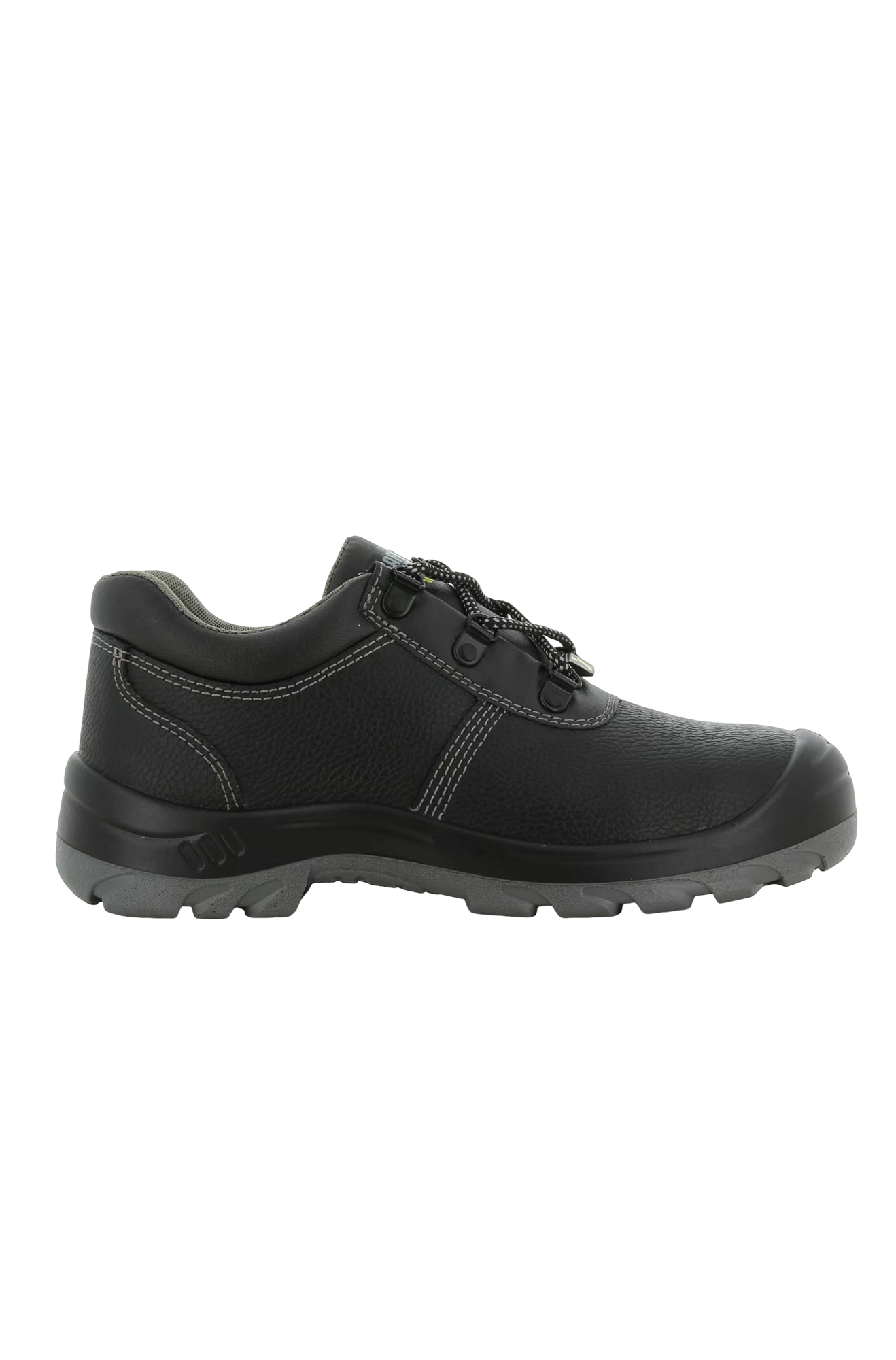
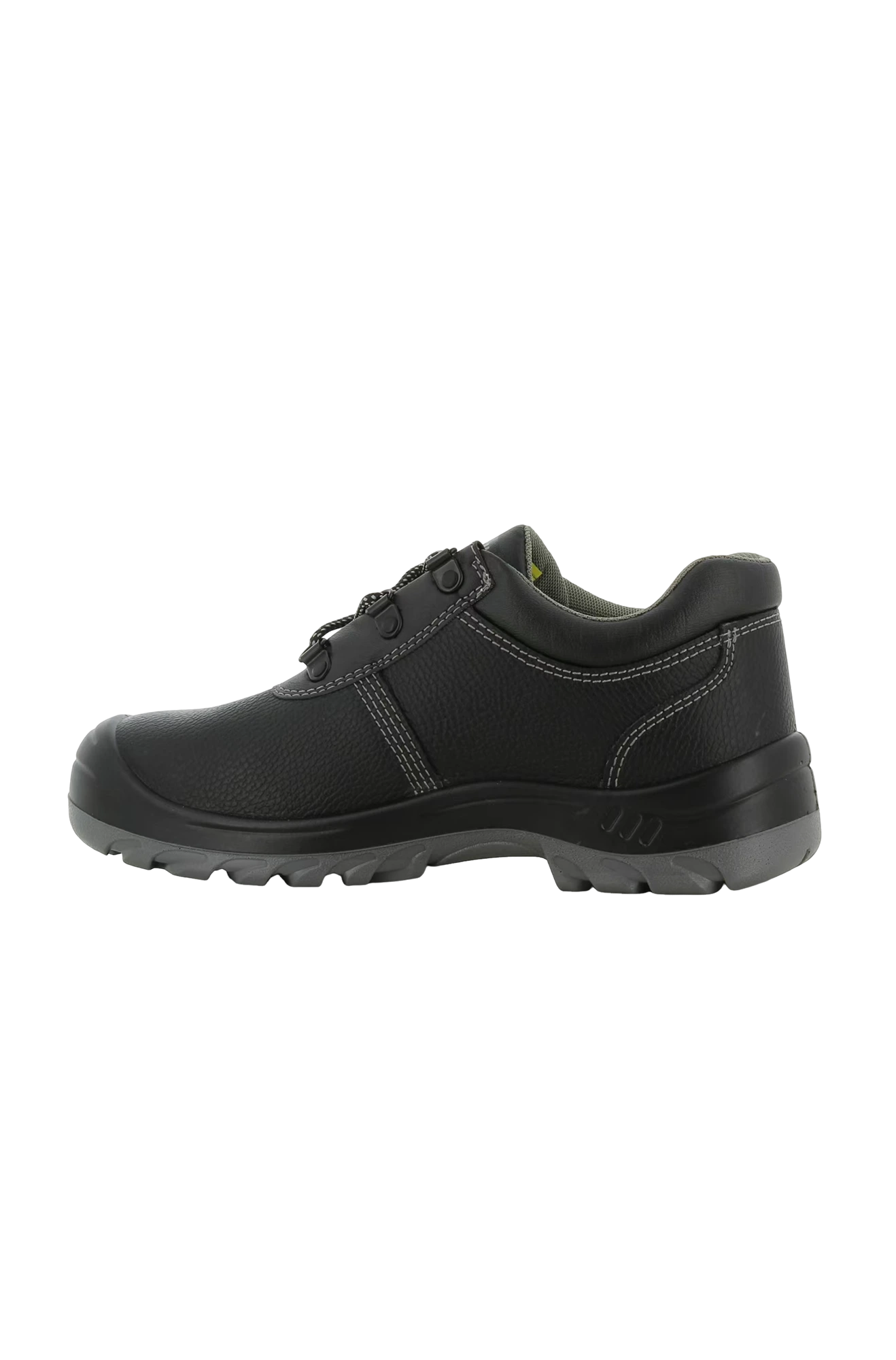
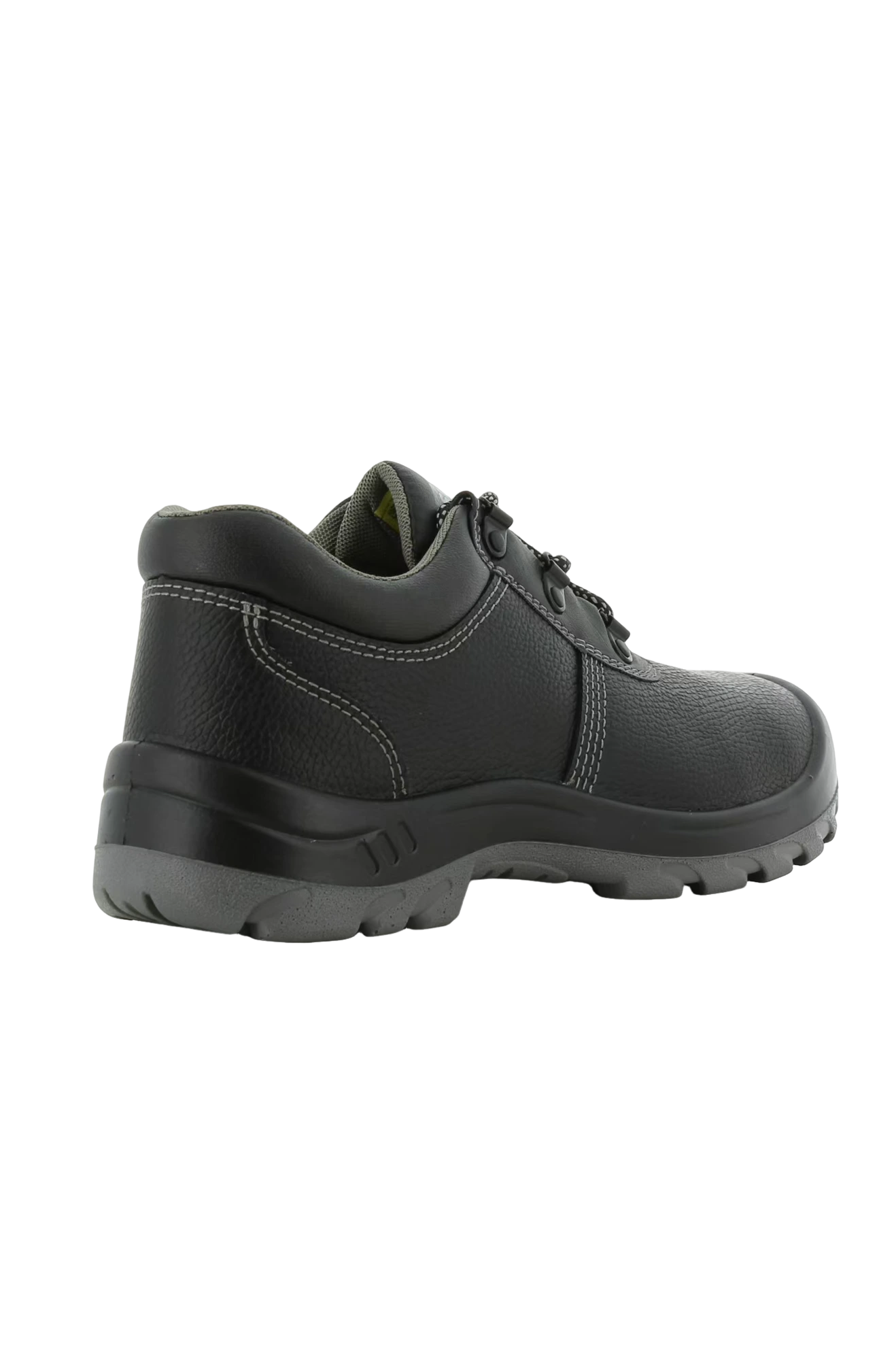
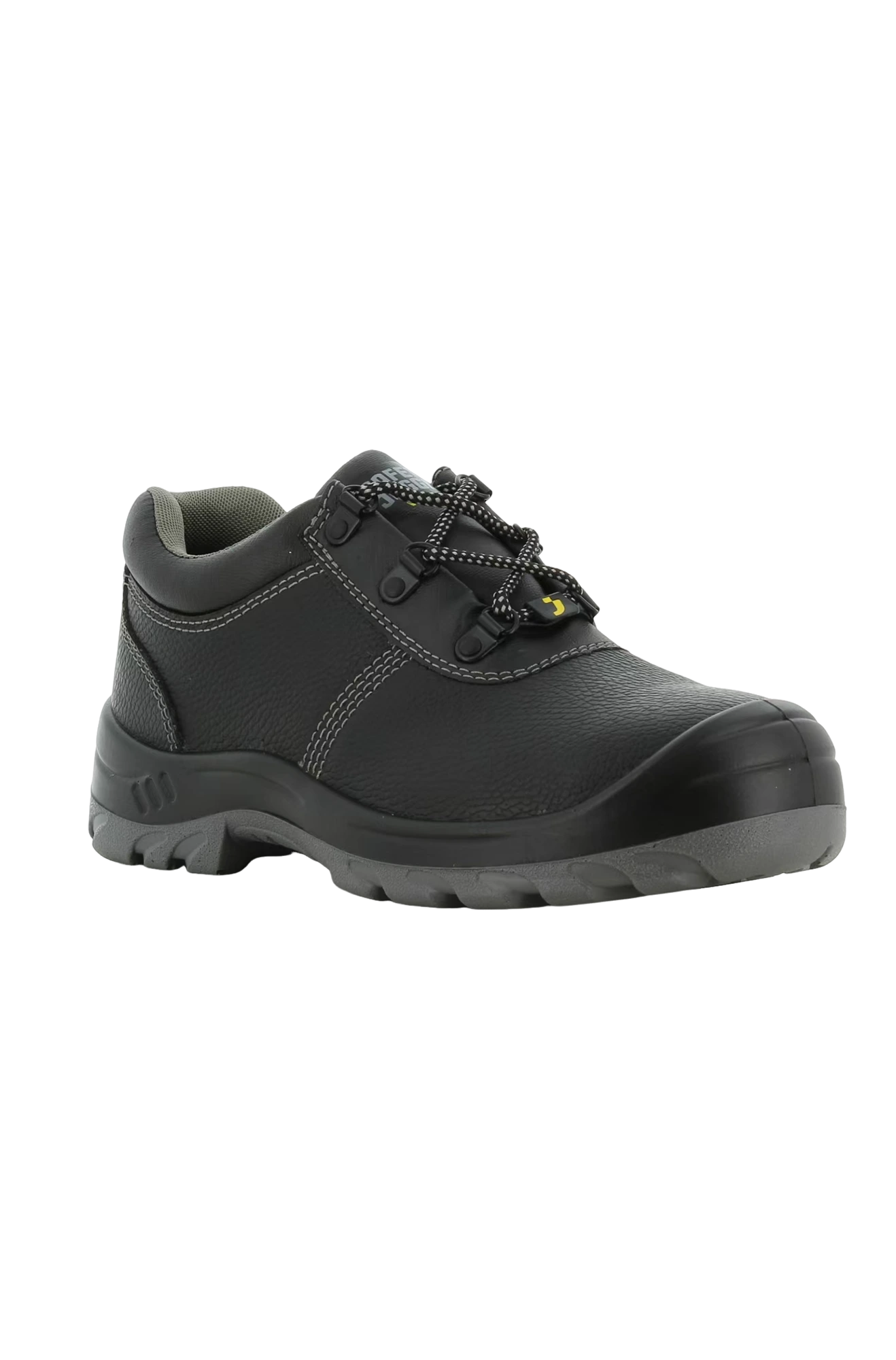
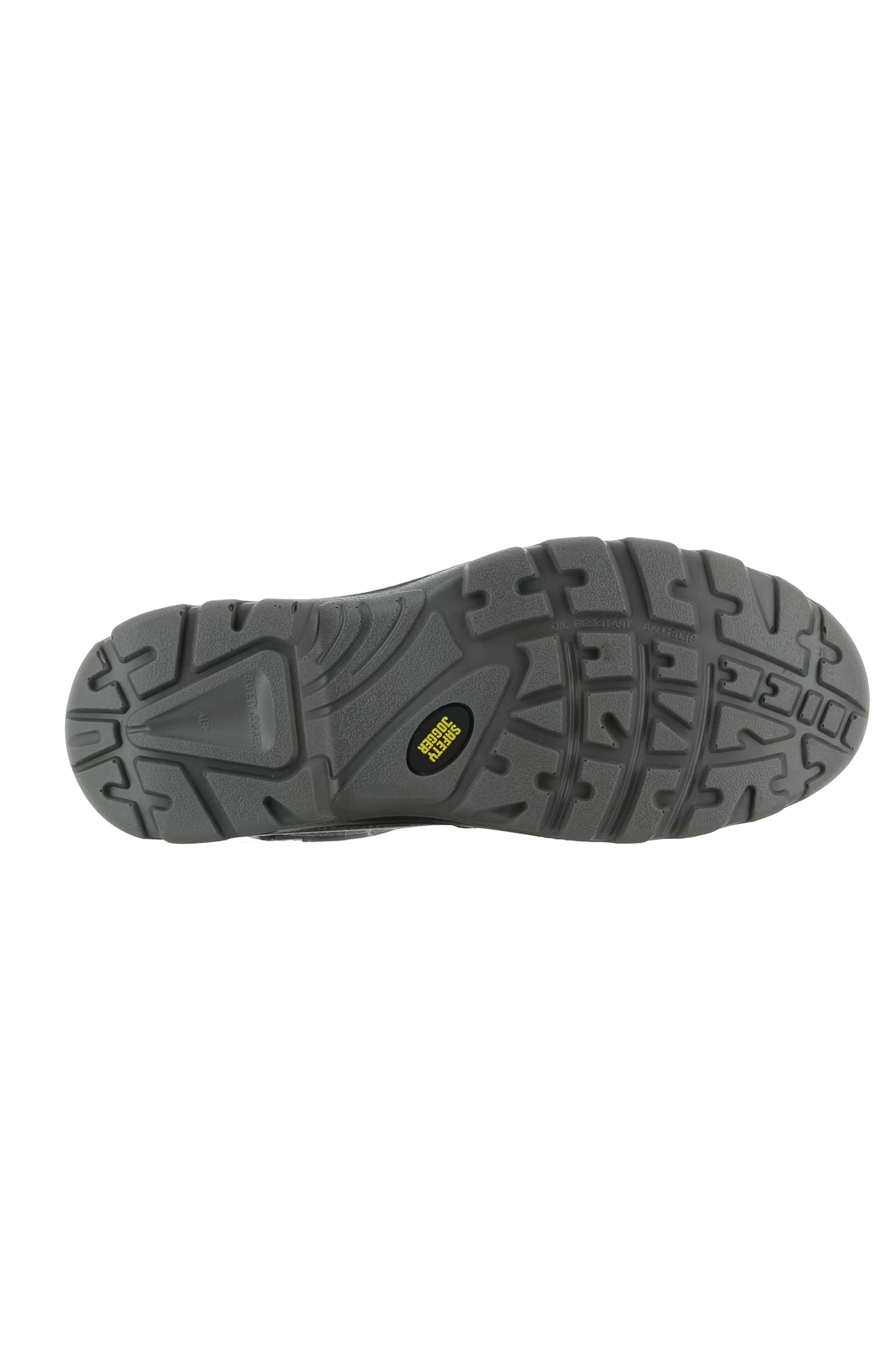

SafetyJogger Anti-Static Low-Top Safety Shoes; Andongyi BESTRUN Cowhide Shoes: Impact-Resistant, Slip-Resistant, and Puncture-Resistant.
36 37 38 39 40 41 42 43 44 45 46 47 48
Cloud warehouse services within China, including storage and fulfillment to various ports. For international shipping, you can choose between sea freight, air freight, or express delivery to your specified destination.
Read More
CE certified
The CE marking indicates compliance with fundamental health and safety requirements for European Directive 89/686.
The directive divides PPE into three categories, each subject to a different conformity evaluation system:
Category 1: the manufacturer drafts a technical file and affixes the CE marking without the intervention of an external notified body.
Category 2: the manufacturer affixes the CE marking after the notified body has performed a type examination on the basis of a technical file.
Manufacturers decide whether the inspection system focuses on product sampling or on an audit of the quality system. Following inspection, the CE marking and the number of the notified body that conducted the inspection must be affixed to the product.
The European Commission describes the CE marking as a “passport” that allows manufacturers to circulate industrial products freely within the internal market of the EU. The CE marking certifies that products have met EU health, safety, and environmental requirements that ensure consumer and workplace safety. All manufacturers in the EU and abroad must affix the CE marking to products covered by the “New Approach” directives to market their products in Europe. Once a product receives a CE marking, it can be marketed throughout the EU without modification.
Most products covered by New Approach Directives can be self-certified by the manufacturer and do not require review by EU-authorized independent testing/certifying companies (i.e., Notified Bodies). To self-certify, the manufacturer must assess the conformity of the products with applicable directives and standards. While the use of EU harmonized standards is voluntary, in practice the use of EU standards is the best way to meet the requirements of the CE marking directives. This is because the standards offer specific guidelines and tests to meet safety requirements, while the directives, general in nature, do not.
The manufacturer may affix the CE marking to their products following the preparation of a declaration of conformity, which indicates that the product meets applicable requirements. Manufacturers must maintain a technical file to prove conformity and they, or their authorized representatives, must provide this together with the declaration of conformity when requested by EU authorities.
If a directive requires the involvement of a Notified Body in the conformity assessment procedure, its identification number must be displayed behind the CE logo. Doing this is the responsibility of the Notified Body.
CE marking is mandatory for certain product groups within the European Economic Area (EEA; the 28 member states of the EU plus EFTA countries Iceland, Norway, and Liechtenstein) plus Switzerland and Turkey. The manufacturer of products made within the EEA and the importer of goods made in other countries must ensure that CE-marked goods conform to all applicable standards.
By affixing the CE marking on a product, a manufacturer is declaring, at its sole responsibility, conformity with all of the legal requirements to achieve CE marking that will permit the free movement and sale of the product throughout the EEA.
Read More
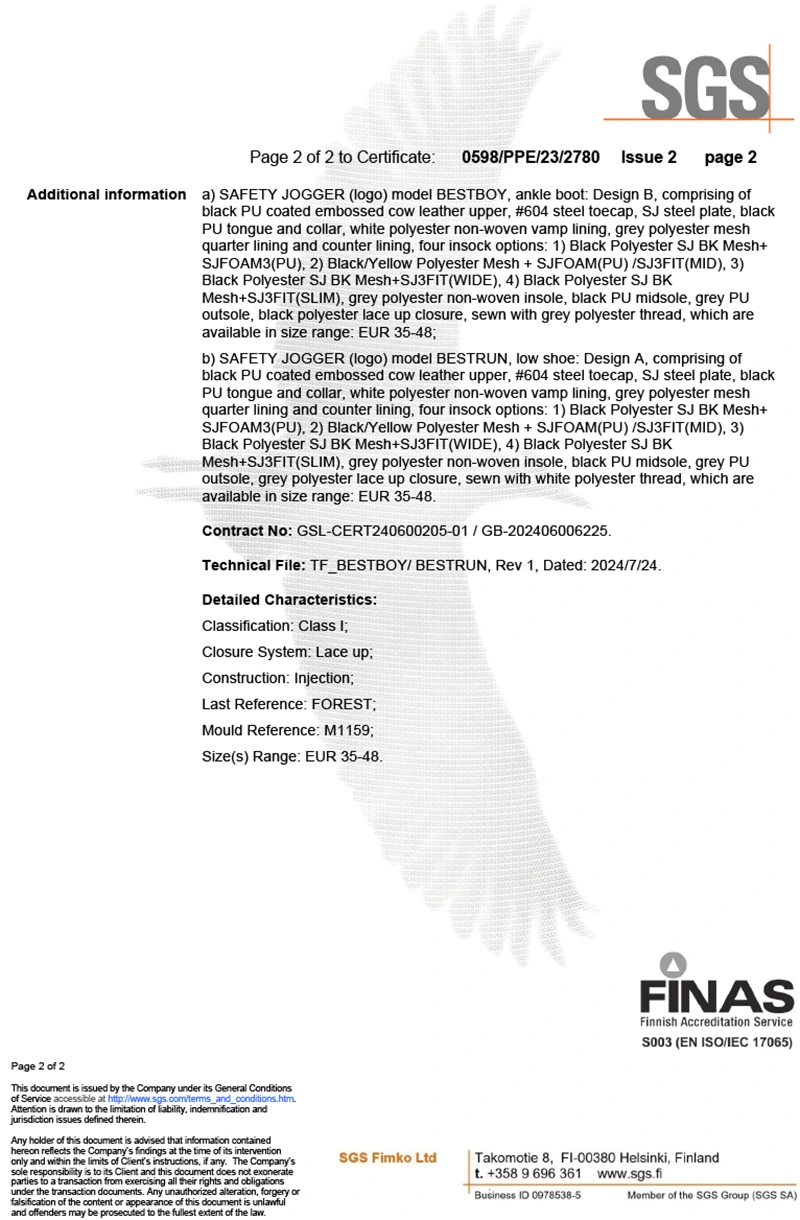
EN ISO 20345
Read More
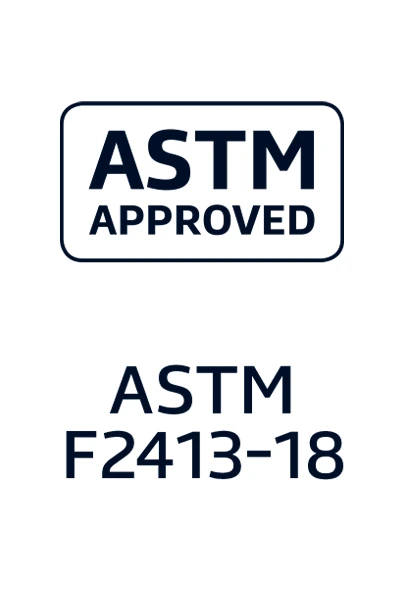
ASTM F2413-11
ASTM F2413-11 Standard specification for performance requirements for protective (safety) toecap footwear replaces the former ANSI Z41 standard, which was withdrawn in 2005. This specification covers the minimum design, performance, testing, and classification requirements, and prescribes fit, function, and performance criteria for footwear designed to protect against a variety of workplace hazards. It is not the intention of this specification to serve as a detailed manufacturing or purchasing specification. Instead, this specification can be referenced in purchase contracts to ensure that minimum performance requirements are met. Footwear conforming to this specification must meet the performance requirements for the following: impact resistance for the toe area; compression resistance for the toe area; metatarsal protection that reduces the chance of injury to the metatarsal bones at the top of the foot; conductive properties that reduce hazards resulting from static electricity build-up and reduce the possibility of igniting explosives and volatile chemicals; electric shock resistance; static dissipative (SD) properties to reduce hazards caused by exceedingly low footwear resistance that may exist where SD footwear is required; puncture resistance of footwear bottoms; chainsaw cut resistance; and dielectric insulation. The purpose of this standard is to summarize the requirements for certifying protective footwear by independent, third party laboratories.
Footwear certified as meeting ASTM F2413-11 must first meet the requirements of Section 5.1: Impact Resistant Footwear and Section 5.2: Compression Resistant Footwear. Following these assessments, the requirements of additional sections—such as metatarsal protection, conductive protection, electric hazard resistance, static dissipative protection, and protection against punctures—can be met.
All footwear manufactured to the ASTM specification must be marked with the specific portion of the standard with which it complies. One shoe of each pair must be clearly and legibly marked (e.g., stitched in, stamped on, pressure sensitive label, etc.) on either the surface of the tongue, gusset, shaft, or quarter lining. The marking must be enclosed in a rectangular border; a four-line format is recommended. Line four is used only when more than three sections of the standard apply to the footwear.
Each protective toecap must be marked with the manufacturer’s name and trademark or logo. The cap number or identification, toecap size, and R (right)/L (left) designation must be permanently stamped or marked in a conspicuous location. Each metatarsal and puncture-resistant device must be marked with the manufacturer’s name, trademark or logo, and device number or identification in a conspicuous location.
The following is an example of an ASTM F2413-11 marking on protective footwear:
ASTM F2413-11
M I/75/C/75
PR/Mt75
● Line 1: ASTM F2413-11
This line identifies the ASTM standard. It indicates that the protective footwear meets the performance requirements of ASTM F2413, issued in 2011.
● Line 2: M I/75 C/75
This line identifies the applicable gender [M (Male) or F (Female)] for which the footwear is intended. It also identifies the existence of impact resistance (I), the impact resistance rating (75, 50 or 30 foot-pounds), compression resistance (C), and the compression resistance rating (75, 50, or 30, which correlate to 2500 pounds, 1750 pounds, and 1000 pounds of compression respectively).
● Line 3: PR Mt75
Line 3 is used to identify footwear made to protect against the specific hazards described in the standard Cd, EH, SD, PR, Mt. These are used to designate conductive (Cd) properties, electrical hazard resistance properties (EH), footwear designed to reduce the accumulation of excess static electricity (SD), and puncture resistance (PR). The metatarsal designation (Mt) and rating (i.e., 75 foot-pounds) is also identified.
Conductive (Cd) footwear is intended to provide protection for the wearer against hazards resulting from static electricity build-up and to reduce the possibility of igniting explosives and volatile chemicals. The footwear must facilitate electrical conductivity and the transfer of static electricity build-up from the wearer to the ground. The electrical resistance must range between zero and 500,000 ohms.
Electrical hazard (EH) footwear is manufactured with non-conductive, electrical shock-resistant soles and heels. The outsole is intended to provide a secondary source of electric shock-resistance protection for the wearer against the hazards associated with incidental contact with live electrical circuits, electrically-energized conductors, parts, or apparatuses. It must be capable of withstanding the application of 18,000 volts at 60 hertz for one minute with no current flow or leakage current in excess of one milliampere under dry conditions.
Static dissipative (SD) footwear is designed to provide protection against hazards associated with exceedingly low footwear resistance and to maintain a sufficiently high level of resistance to reduce the possibility of electric shock. The footwear must have a lower limit of electrical resistance of 106 ohms and an upper limit of 108 ohms.
Puncture-resistant (PR) footwear features a puncture-resistant plate positioned between the insole and outsole. This plate is an integral and permanent part of the footwear. Devices constructed of metal must pass the ASTM B117-11 Standard Practice for Operating Salt Spray (Fog Apparatus) corrosion resistance testing. The device must show no sign of corrosion after being exposed to a five percent salt solution for 24 hours. The puncture-resistant footwear must show no signs of cracking after being subjected to 1.5 million flexes and have a minimum puncture resistance of 270 pounds.
Metatarsal protection (Mt) footwear is designed to prevent or reduce injuries when the toe and metatarsal areas of the foot are exposed to “drop” hazards.
Any changes to the original components of safety toe footwear, such as replacing or adding foot beds or inserts, could cause failure to any or all parts of the ASTM standard invalidates the safety marking.
Read More
S3
S3 safety shoes are suitable for work in an environment with high humidity and presence of oil or hydrocarbons. These shoes also protect against perforation risk of the sole, and foot crushing.

Read More
SRC slip resistance
Slip resistant soles are one of the most important features of safety and occupational footwear. SRC slip resistant soles pass both SRA and SRB slip resistant tests, they are tested on both steel and ceramic surfaces.
| Uppers | Black lychee pattern cowhide |
| Sole | DOUBLE density PU sole |
| Process | Polyurethane injection |
| size | 36 # -48 # |
| Function | Anti-hit (An1) + insulation 6KV+ anti-puncture (Kevlar) + oil and acid and alkali resistance |
| Standard | GB 21148-2020 |
| Region | Size | ||||||||||||
|---|---|---|---|---|---|---|---|---|---|---|---|---|---|
| EUR | 36 | 37 | 38 | 39 | 40 | 41 | 42 | 43 | 44 | 45 | 46 | 47 | 48 |
| UK | 3.5 | 4 | 5 | 5.5 | 6.5 | 7 | 8 | 9 | 9.5 | 10 | 11 | 12 | 13 |
| US | 4.5 | 5 | 6 | 6.5 | 7.5 | 8 | 9 | 10 | 10.5 | 11 | 12 | 13 | 14 |
| CHN | 230 | 235 | 240 | 245 | 250 | 255 | 260 | 265 | 270 | 275 | 280 | 285 | 290 |
| Foot Length (cm) | 23 | 23.5 | 24 | 24.5 | 25 | 25.5 | 26 | 26.5 | 27 | 27.5 | 28 | 28.5 | 29 |
Please note: Since everyone has different preferences regarding shoe fit and foot shapes vary, people of the same height and weight may require different sizes. If you have any special requests, please feel free to contact our customer service team—we’re happy to assist you.

Please leave your information; our professionals will contact you promptly.


No. 12, Liandong U-Valley, 368 Huanghe West Road, Huangdao District, Qingdao
Copyright © 2026 by Qingdao CHUANQI Escort Technology Co., Ltd. All Rights Reserved